
History of Via Ferratas in Slovakia
Via ferratas in Slovakia are a relatively new but rapidly growing part of the country’s outdoor adventure scene. These protected climbing routes—equipped with steel cables, ladders, steps, and bridges—allow hikers and climbers to safely explore steep rock faces and dramatic mountain landscapes.
Although Slovakia has a long tradition of mountain hiking and alpinism, modern via ferrata routes in Slovakia only began appearing in the early 2010s. Since then, the number of ferratas has grown quickly, turning several regions into popular destinations for adventure tourism.
Early Secured Routes in Slovak Mountains
Before the development of modern ferratas, many Slovak hiking trails already included basic safety aids. Chains, ladders, and metal steps were installed on difficult sections of mountain trails, particularly in steep gorges and rocky terrain.
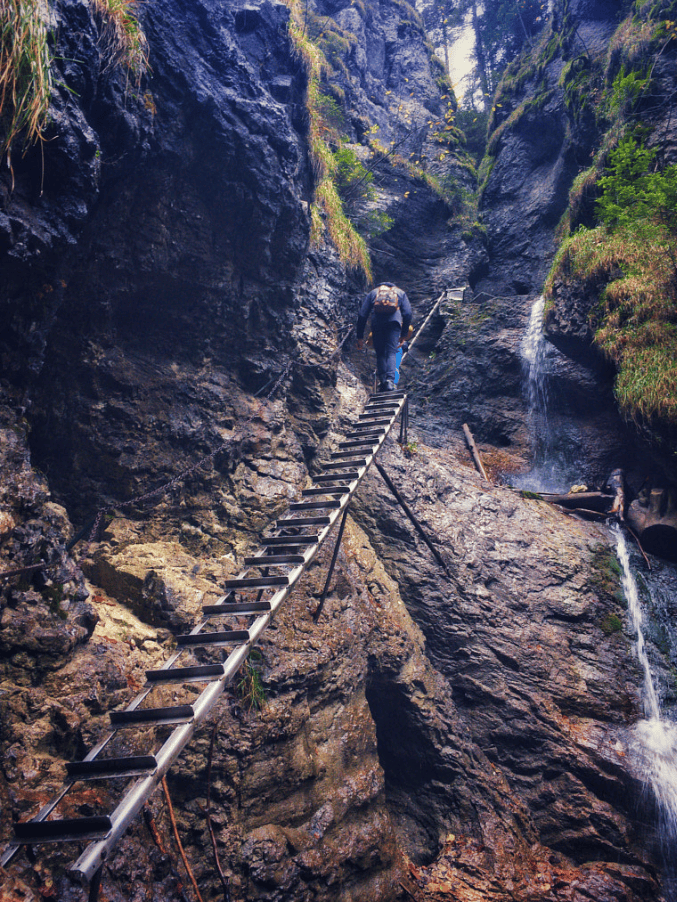
One of the most famous early examples is the Kyseľ Gorge in Slovenský raj National Park. The canyon was explored as early as the late 19th century, and over time wooden ladders and later metal structures were added to help visitors pass waterfalls and narrow passages. These installations can be considered the early predecessors of today’s ferrata systems.
Although these routes were not officially called via ferrata, they introduced hikers to exposed terrain with fixed protection and inspired future development.
The First Modern Via Ferrata in Slovakia
The first true modern via ferrata in Slovakia was Ferrata HZS in Martinské hole, built in 2013–2014 by the Slovak Mountain Rescue Service.
Located in the Malá Fatra mountains near the city of Martin, the ferrata was designed primarily as a training route for rescuers but was also opened to the public. The route quickly became popular among climbers and hikers looking for a new type of mountain adventure.
Ferrata HZS includes several route variants with different levels of difficulty, connected by steel cables, ladders, and footholds. The route climbs through a rocky gorge and ends near Martinské hole at an altitude of approximately 1,200 meters.
Its success demonstrated that via ferrata climbing could safely attract tourists and outdoor enthusiasts in Slovakia.
Expansion of Ferratas Across Slovakia
After the success of the first ferrata in Martinské hole, new projects began appearing across the country. Municipalities, tourism organizations, and climbing communities started building additional ferrata routes to support adventure tourism.
Some of the most important developments include:
Via Ferrata Kyseľ – Slovenský raj
Opened in 2016, this ferrata transformed the famous Kyseľ Gorge into one of the most unique canyon ferratas in Central Europe. Climbers move through waterfalls, narrow rock corridors, and vertical ladders while following a steel safety cable.
Via Ferrata Skalka – Kremnica
The Skalka climbing area near Kremnica has become one of the largest via ferrata complexes in Slovakia. It offers several routes ranging from beginner-friendly sections to extremely difficult lines for experienced climbers.
Some routes here reach the highest difficulty grades used in ferrata climbing, making Skalka a popular training ground for advanced climbers.
Via Ferrata Dve veže – Liptovské Revúce
Located near the Low Tatras region, this ferrata offers multiple routes around dramatic rock towers known as the “Two Towers.” It has quickly become a favorite destination for climbers visiting Liptov.
Development of Technical Ferratas
As the popularity of ferrata climbing grew, new routes began introducing more advanced elements. Modern Slovak ferratas now include:
- rope bridges
- vertical ladders
- exposed traverses
- overhang sections
- pendulum obstacles
- long aerial crossings
These features have helped Slovakia develop some of the most technically demanding ferratas in Central Europe.
Ferrata Climbing in Slovakia Today
Today, the number of via ferratas in Slovakia continues to grow, with new routes being built in different mountain regions and outdoor areas. Ferrata parks and climbing centers are becoming increasingly popular among locals and international visitors.
The sport appeals to a wide range of adventurers because it combines:
- hiking
- climbing
- adrenaline experiences
- mountain scenery
With proper equipment and safety practices, ferratas allow people without advanced climbing skills to safely experience steep rock environments.
The Future of Slovak Ferratas
The development of ferratas has had a positive impact on adventure tourism in Slovakia. Local communities benefit from increased visitor numbers, while climbers gain access to new and exciting routes.
With ongoing maintenance, new route construction, and growing international interest, via ferrata climbing in Slovakia is expected to continue expanding in the coming years.
For outdoor enthusiasts, Slovakia is quickly becoming one of the most exciting emerging destinations for ferrata climbing in Europe.
 FERRATA SLOVAKIA